February 14, 2026 · By MooveTrax
LAX Lockbox Ban: Why Smart Digital Access (Like MooveTrax) Is the Future of Airport Car-Sharing
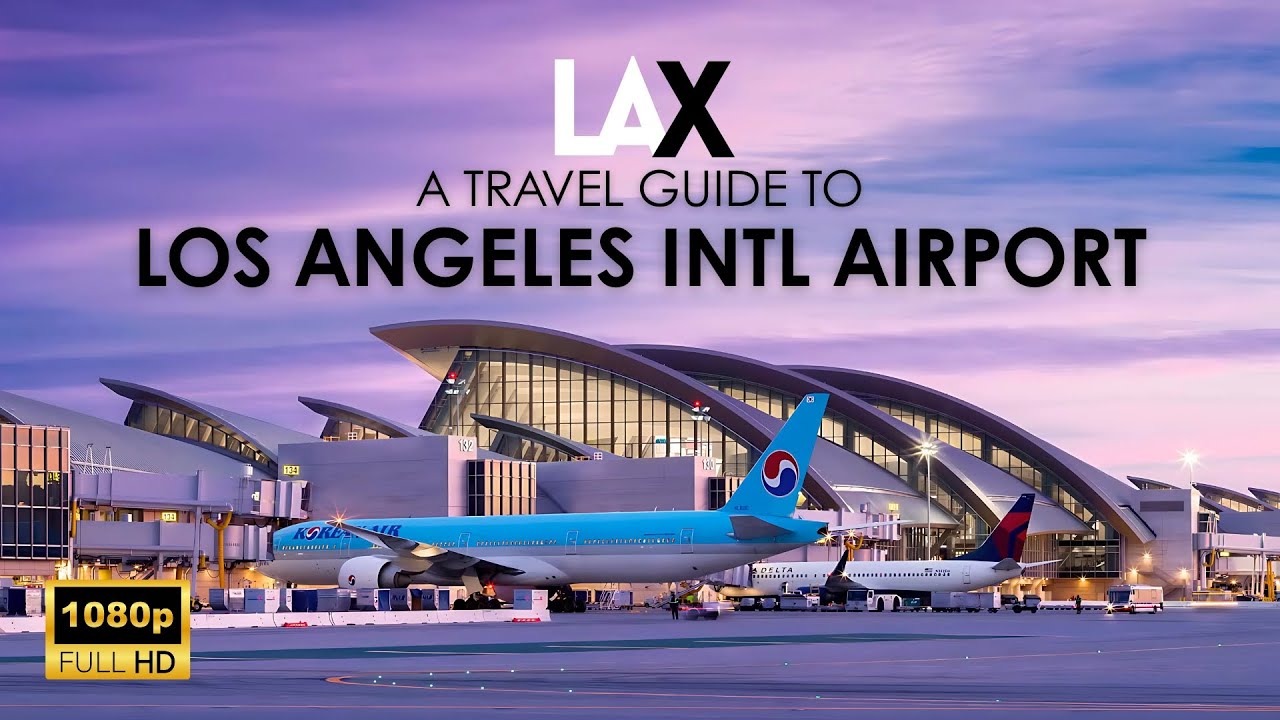
Los Angeles International Airport (LAX) has begun restricting the use of physical lockboxes on rental and car-share vehicles.
For years, hosts depended on lockboxes clipped to door handles or windows — but airports increasingly view them as a security risk, liability issue, and curbside obstruction.
This change forces a shift from ole school lockboxes to true digital vehicle access.
And that’s exactly where modern telematics platforms — especially MooveTrax — come in.
Why Airports Are Banning Lockboxes
Lockboxes worked in the early days of peer-to-peer rentals. But at a major international airport, they create problems:
Security Risks
Keys exposed outside the vehicle
Easily tampered with or stolen
Anyone with the code can duplicate access
Operational Problems
Guests struggle to find the box
Hosts must reset codes manually
Delays at pickup
Airport Compliance Issues
Objects attached to vehicles
Visual clutter and enforcement headaches
Liability if lockbox gets stolen with keys inside
Airports want controlled, auditable, remote access — not shared mechanical combinations.
The New Requirement: True Digital Vehicle Access
Instead of hanging a key somewhere on the car…
Airports now prefer systems where:
The vehicle can be unlocked remotely by the host or the guest
Access permissions are temporary
Every entry is logged
The host maintains control at all times
This is exactly how modern fleet telematics platforms operate.
How MooveTrax Solves the Problem
MooveTrax replaces the lockbox entirely.
1) Unique Access Per Trip
Each reservation automatically gets its own digital access window.
Host can:
Unlock anytime
Lock anytime
Disable vehicle if needed
Guest can:
Unlock only during their active trip
Cannot access before check-in or after checkout
Cannot reuse access later
No codes to share.
No keys to lose.
No lockboxes to ban.
2) Full Audit Trail (Compliance Friendly)
Every action is recorded:
Who unlocked
When it happened
Trip associated with the action
Vehicle status
Airports and platforms prefer systems where access is traceable and revocable instantly.
3) Bluetooth Backup — Works Even With No Cellular Signal
This is the feature most hosts don’t realize they need…
Airport parking structures often have weak signal.
Most cell phones can get iffy here.
MooveTrax does not.
If cellular service is weak or unavailable:
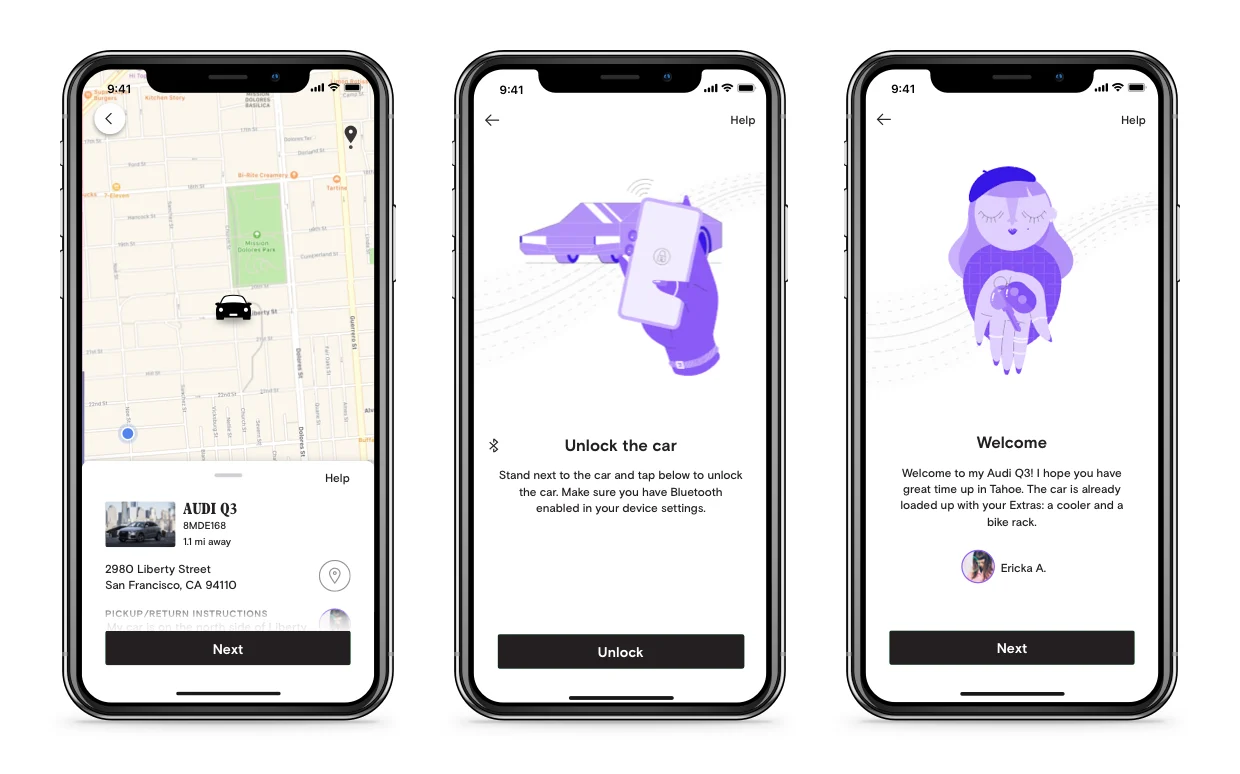
➡️ The guest connects directly to the car via Bluetooth
➡️ The phone securely authenticates
➡️ The vehicle unlocks locally
No other telematics system offers a built-in offline access fallback designed for car-sharing operations.
So the pickup still works — even in underground garages.
Why This Matters for Turo & Airport Hosts
Lockboxes were never designed for scale.
They were a workaround.
Airports are now pushing hosts toward professional fleet-grade access control — the same direction traditional rental companies moved years ago.
Hosts who adapt early will benefit from:
Faster pickups
Fewer support calls
No stolen lockbox with keys
Better reviews
Airport compliance
Remote recovery if a trip goes wrong
The Future of Car Sharing: No Keys, No Codes, No Guesswork
The industry is moving from:
Physical key → Shared code → Digital authorization
MooveTrax is built specifically for that last stage.
A car should behave like a hotel room:
Access granted only for the reservation
Automatically revoked afterward
Always recoverable by the owner
And it should still work in a concrete parking garage.
Final Thoughts
The LAX lockbox ban isn’t a problem — it’s a signal.
Airports are standardizing around secure digital vehicle access.
Hosts who continue relying on lockboxes will increasingly run into compliance issues.
Platforms like MooveTrax aren’t just a convenience anymore.
They’re becoming infrastructure.
No lockboxes. No missed pickups. Just controlled access.